FLEETWERX, in support of the Naval Postgraduate School’s Consortium for Advanced Manufacturing Research and Education (NPS CAMRE), the U.S. Navy, U.S. Marine Corps and leading industry partners, will demonstrate the largest advanced manufacturing effort ever conducted during a military exercise as part of RIMPAC 2026.
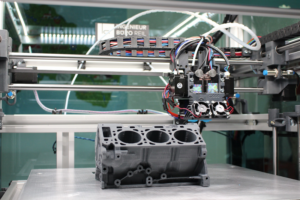
During the exercise, military operators and industry innovators will 3D print drones, manufacture mission-critical readiness parts aboard warships and ashore, employ artificial intelligence tools to help determine where parts should be produced, and use autonomous systems to deliver components across the operational environment.
Participating organizations include leaders in advanced manufacturing, autonomous systems, artificial intelligence, logistics technologies, and expeditionary production systems.
The USS Essex will serve as a centerpiece of the effort, hosting multiple expeditionary manufacturing systems capable of producing readiness parts and unmanned systems at sea. The broader effort will span multiple operational locations, including aboard the USS Essex and USS Theodore Roosevelt, at military installations across Oahu and through a distributed network of more than 50 manufacturing nodes located across military installations, universities, manufacturing centers, and operational locations worldwide.
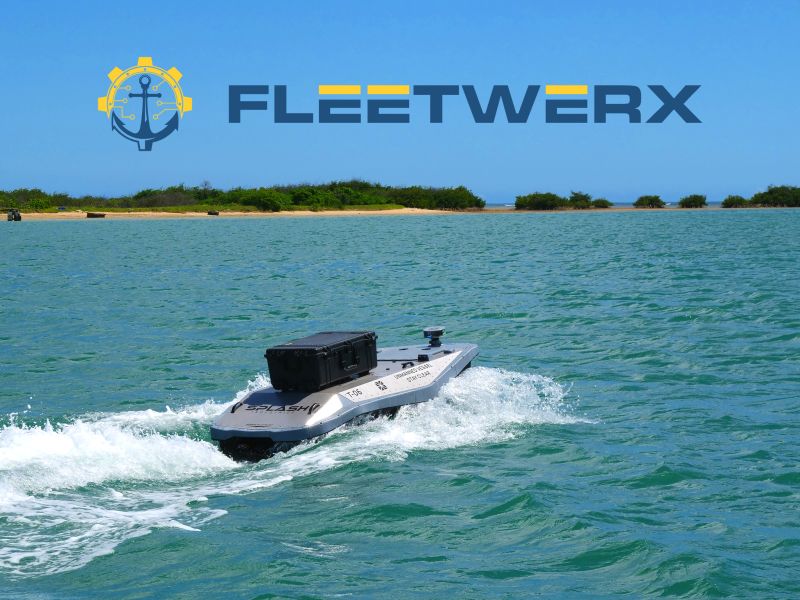
Participating technologies will include modular drone production systems, hybrid metal manufacturing platforms, autonomous surface vessels and AI-enabled decision tools designed to help connect production, logistics and operational requirements.
FLEETWERX is coordinating military, academic, and industry participants across a distributed network of manufacturing, logistics, and decision-support technologies. The objective is to connect capabilities that are often tested separately and evaluate how they perform as part of a single operational workflow.
The demonstration will connect advanced manufacturing systems, autonomous logistics platforms, and AI-enabled decision tools across ships, military installations, and a global network of production partners, in what organizers describe as the largest advanced manufacturing effort in the Department of Defense’s history.
“Many of these technologies have been demonstrated independently. What makes RIMPAC unique is the opportunity to bring them together in an operational environment,” said Morgan Bower, Director, FLEETWERX. “We’re manufacturing parts aboard ships, producing drones at sea, and using autonomous systems to move critical components where they’re needed.”
At its core, the effort is focused on readiness. Participants will evaluate whether emerging manufacturing and logistics capabilities can help reduce repair timelines, improve responsiveness, and provide additional options when traditional supply chains are delayed or constrained.
The exercise will help military leaders better understand how advanced manufacturing, autonomous logistics and AI-enabled decision tools perform when integrated into a single operational workflow and tested in realistic field conditions.
For forces operating across the Indo-Pacific, where logistics networks span thousands of miles, even modest reductions in repair timelines and delivery delays can have an outsized impact on readiness and operational flexibility.
RIMPAC 2026 is scheduled to take place from June 24 to July 31 in and around the Hawaiian Islands. The exercise is expected to include 31 participating nations, approximately 40 surface ships, five submarines, more than 140 aircraft, and over 25,000 military personnel operating under the theme “Partners: Integrated and Prepared.”
The demonstration builds on lessons learned during previous RIMPAC exercises, including a successful 2024 operation in which NPS CAMRE personnel manufactured and machined a replacement component aboard USS Somerset, returning a critical shipboard system to service in approximately 34 hours.
The exercise will test a complete workflow that begins with identifying a requirement from an operational unit, digitally assigning production to the most appropriate manufacturing node, producing the component through distributed manufacturing systems, and delivering the completed part using autonomous platforms.
While many of the individual technologies participating in RIMPAC 2026 have been demonstrated previously, the exercise represents one of the first opportunities to evaluate them as part of a coordinated operational workflow spanning ships at sea, military installations and industry partners. The effort is intended to help military leaders better understand how emerging manufacturing and logistics capabilities can contribute to readiness, resilience, and operational flexibility in future operations.
“RIMPAC provides an opportunity to test these technologies in realistic operational environments and alongside the people who may ultimately use them,” said Chris Curran, CAMRE Program Manager. “The lessons learned help shape future research, experimentation, and capability development across the force.”